
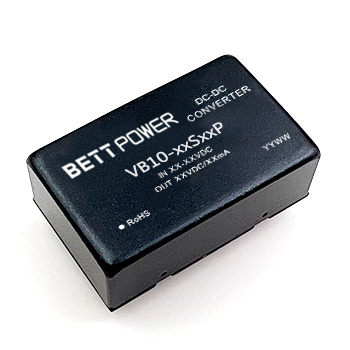
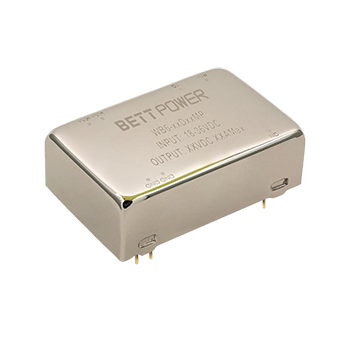
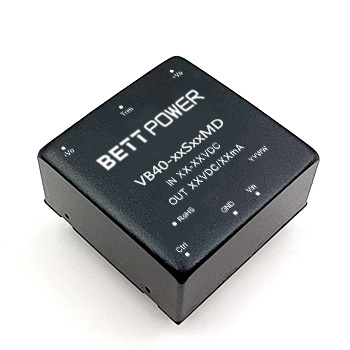
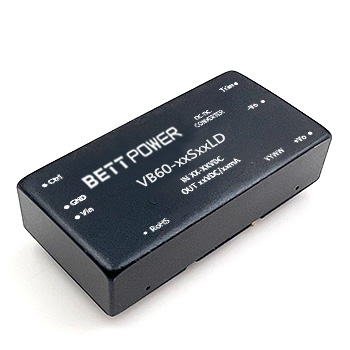
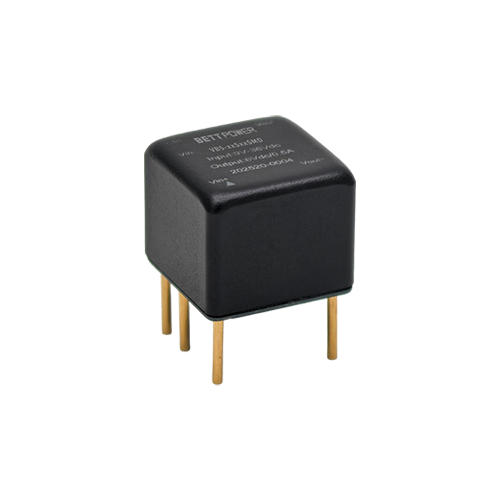
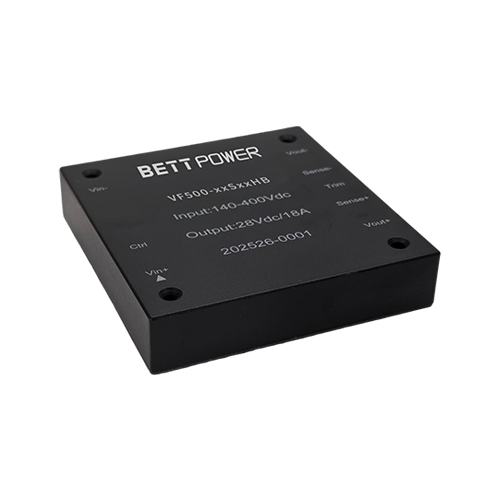
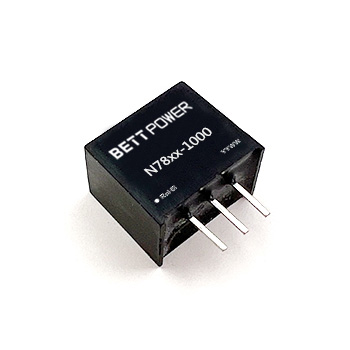
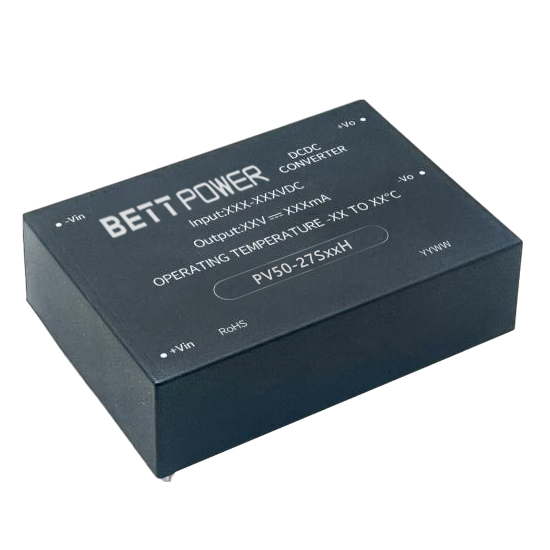
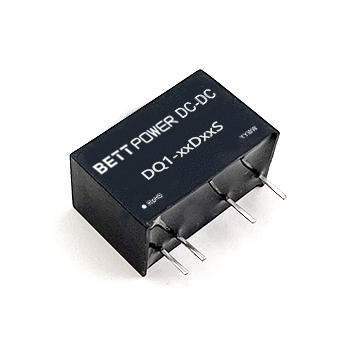
Isolated Power Modules in Industrial Systems
Date:2026-07-17 Publisher:BettpowerIsolated Power Modules in Industrial Systems: Applications, Benefits, and Key Selection Considerations
Introduction
In industrial control and precision electronic systems, engineers often encounter unexpected issues that are difficult to diagnose. A system may use high-precision sensors and carefully designed wiring, yet still experience unstable signals, communication errors, or unexpected system behavior during operation.
In many cases, the root cause is not the sensor or signal path itself, but underlying electrical issues such as ground loops, common-mode noise, or unwanted coupling between different power domains. These challenges become more significant in complex industrial environments where high-power circuits operate alongside sensitive control electronics.
This highlights an important design principle: power architecture plays a critical role in system reliability. By introducing isolated power modules at the early design stage, engineers can separate electrical domains, reduce noise coupling, and improve overall system stability.
Isolated AC/DC and DC/DC power modules are therefore not only voltage conversion components, but also essential elements for achieving reliable, robust, and EMC-compliant industrial systems.
1. Why Isolation Matters in Industrial Power Systems
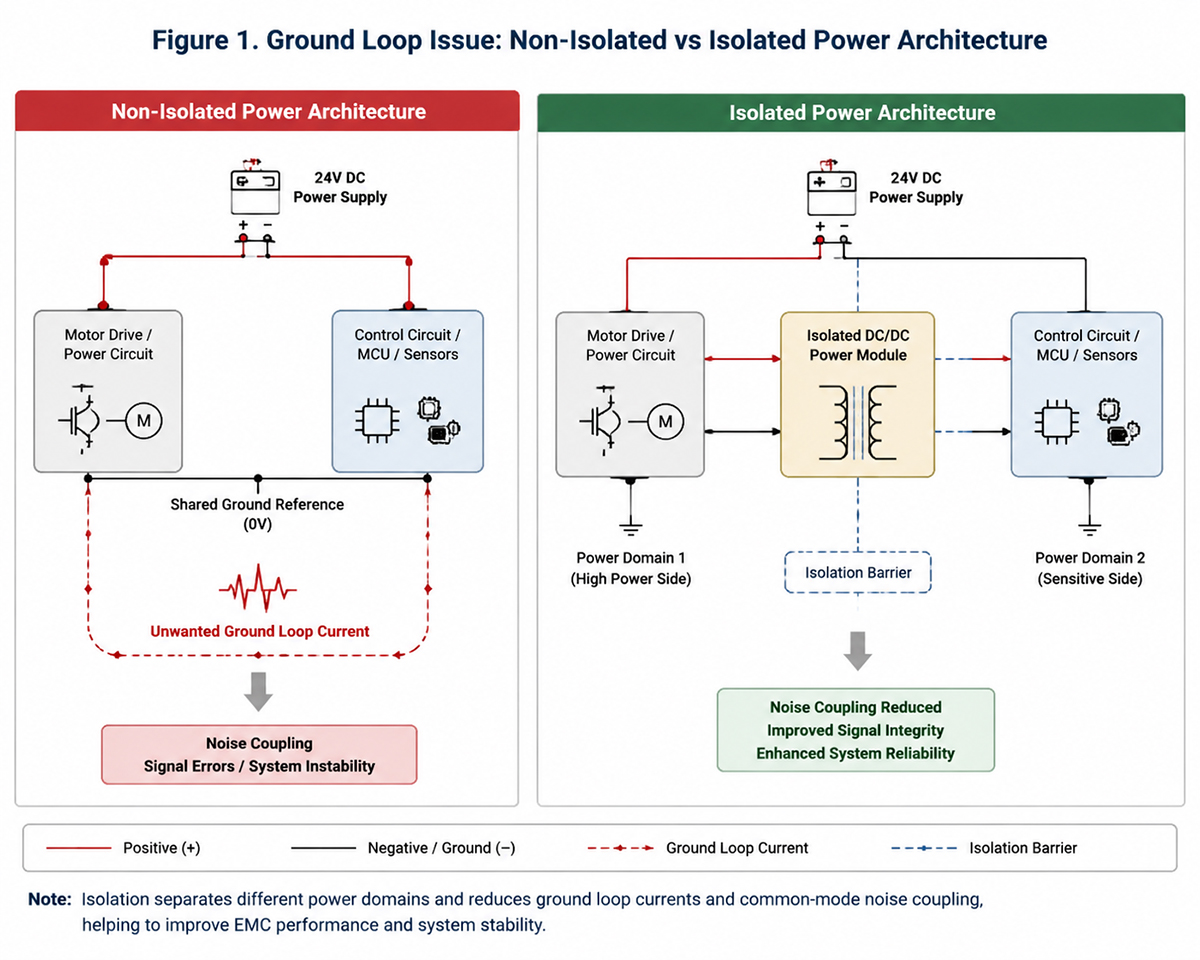
In industrial electronic systems, multiple circuits often operate together while having different ground references. When these circuits share the same ground path, unwanted current paths or ground loops may occur due to ground potential differences, switching noise, or external interference.
This problem is commonly seen in industrial automation equipment, communication systems, and motion control applications. For example, when power circuits and sensitive control circuits share a non-isolated power supply path, noise generated by motors, inverters, or switching devices can couple into low-voltage electronics. The result may include unstable sensor signals, communication errors, or unexpected system behavior.
An isolated power module addresses this challenge by using an isolation barrier, typically based on transformer technology, to separate the input and output electrical domains. This separation helps reduce unwanted current paths, minimize common-mode noise coupling, and provide a safer interface between different parts of the system.
For engineers designing industrial equipment, isolation is not only a safety consideration but also an important tool for improving EMC performance, signal integrity, and long-term system reliability.
2. Where Isolated Power Modules Deliver Real Engineering Value
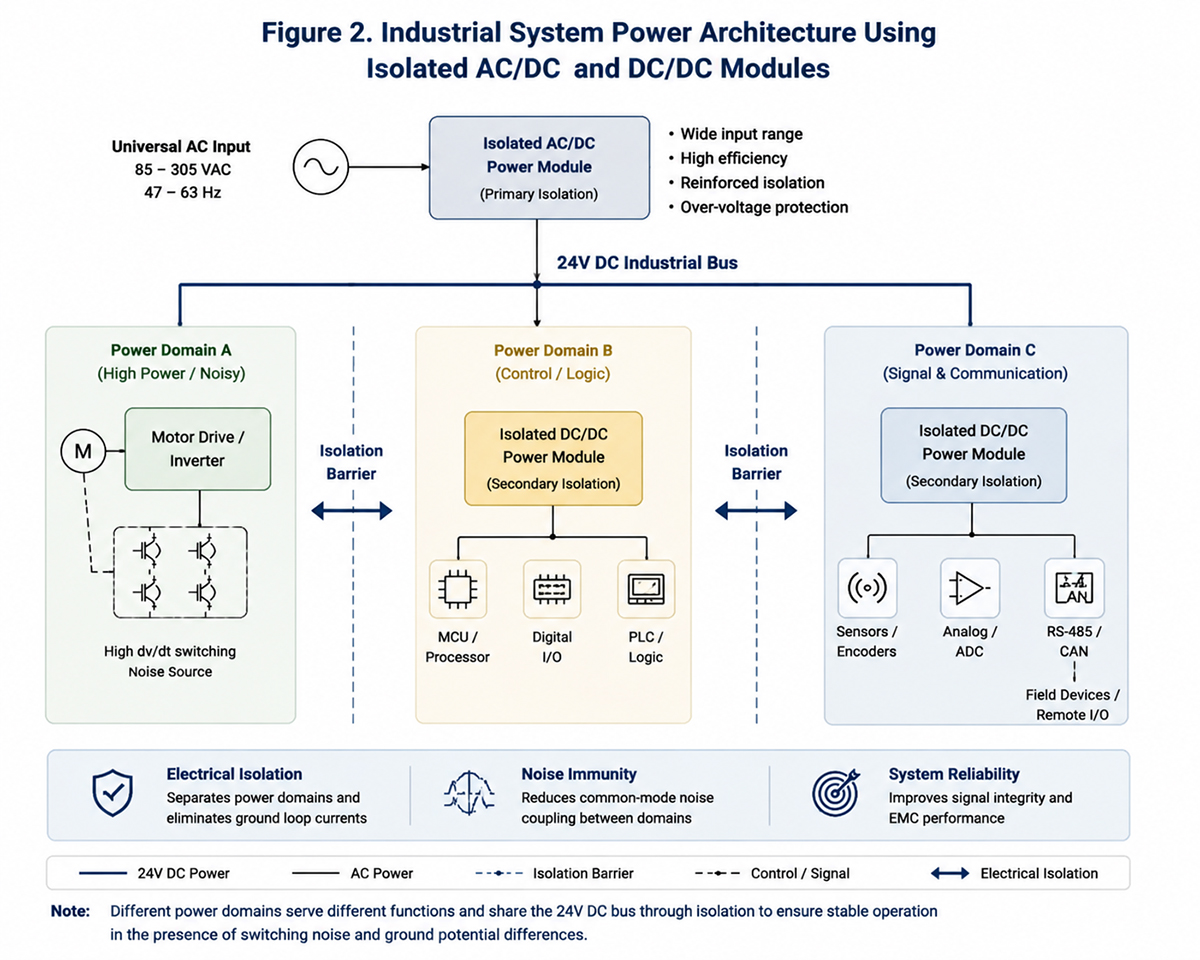
Modern industrial systems often combine multiple electrical domains, including power circuits, control electronics, sensors, and communication interfaces. When these circuits share common references, ground potential differences and electrical noise can affect system stability. Isolated power modules provide a practical solution by maintaining electrical separation between different power domains and reducing unwanted noise coupling.
2.1 Industrial Automation: Eliminating Ground Potential Differences
In industrial automation systems, PLCs, remote I/O modules, and field devices are often distributed across large production environments. Differences in ground potential between devices can create unwanted current paths through power and communication connections, causing signal distortion or communication instability.
Isolated DC/DC power modules help separate field-side circuits from control-side electronics, reducing ground loop currents and providing independent power references. This is especially important for communication interfaces such as RS-485 and CAN, where stable signal integrity is essential for reliable data transmission.
2.2 Motion Control Systems: Protecting Feedback Signals
Motion control systems combine high-power motor drives with sensitive control circuits, including MCUs, encoders, and communication interfaces. During motor operation, high-frequency switching noise generated by drive circuits can couple into low-voltage electronics and affect feedback accuracy.
By separating the motor power domain from the control domain, isolated power modules help reduce unwanted noise paths and protect sensitive feedback circuits. This improves signal stability and system reliability in applications such as industrial robots, servo systems, and automated equipment.
2.3 Precision Electronics: Maintaining Signal Accuracy
In precision measurement systems, sensors, ADCs, and low-level analog signal chains require clean and stable power sources. Isolated power modules help prevent external interference and power-side noise from affecting sensitive measurement signals, supporting higher accuracy and reliable operation.
By maintaining electrical separation between functional blocks, isolated power modules help engineers build more stable, reliable, and EMC-friendly industrial systems.
3. Application Example: Improving Encoder Reliability in a Motion Control System
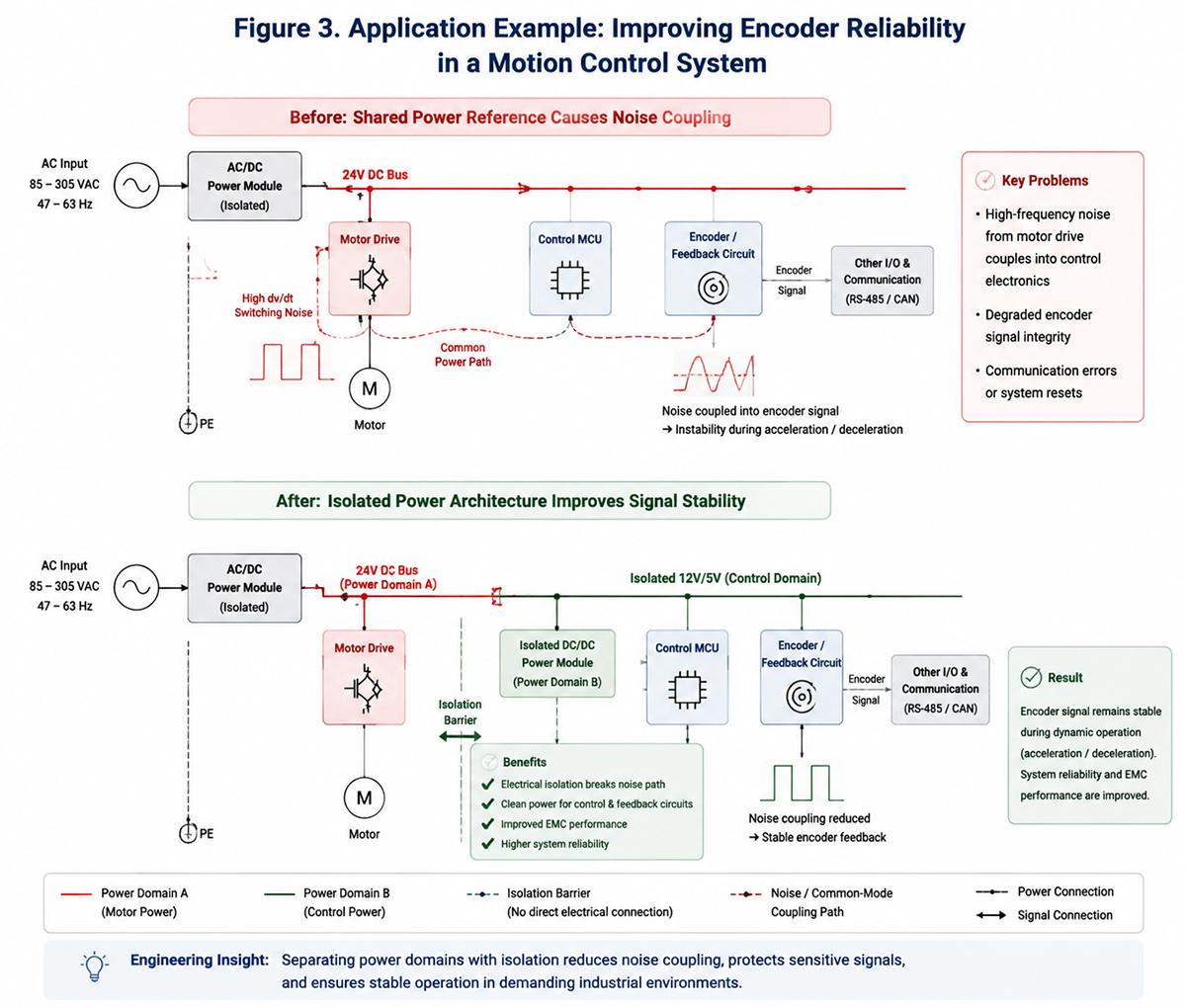
During the development of an industrial motion controller, engineers encountered an unexpected issue: the system operated normally under standard conditions, but encoder feedback became unstable during rapid motor acceleration and deceleration.
At first, the troubleshooting process focused on the encoder devices, signal cables, and communication interfaces. Additional shielding and component replacements were tested, but the instability remained. The problem appeared difficult to identify because the signal chain itself showed no obvious faults.
Further investigation revealed that the root cause was related to the power architecture. High-frequency switching noise generated by the motor drive was coupled through the shared power reference and affected the sensitive encoder feedback circuits. The common power path between the motor stage and control electronics created an unwanted noise coupling route.
To solve the issue, engineers redesigned the power structure by introducing an isolated DC/DC power module for the control and feedback circuits. The isolated solution created a separate electrical domain, reducing noise coupling and improving signal integrity during dynamic operation.
This example demonstrates an important design principle: in complex industrial systems, power isolation is not only a safety requirement but also an effective approach for improving EMC performance, protecting sensitive signals, and enhancing long-term system reliability.
4. Key Considerations When Selecting an Isolated Power Module
Selecting the right isolated power module requires more than simply matching input voltage and output power. Engineers should consider key factors including electrical performance, EMC behavior, thermal conditions, and application requirements to ensure reliable operation throughout the product lifecycle.
4.1 Isolation Performance and Safety Requirements
Key considerations:
· Isolation voltage and isolation type
· Safety standards and certification requirements
· Creepage and clearance distances required by the application
A properly designed isolation barrier helps maintain safety and reliable operation between different electrical domains.
4.2 Input and Output Compatibility
Key considerations:
· Input voltage range and power source stability
· Output voltage, current capability, and load characteristics
· Startup behavior and transient response
For industrial applications, wide input ranges such as 85–305VAC can improve system flexibility under different grid conditions.
4.3 EMC and Noise Performance
Key considerations:
· Conducted and radiated emissions
· Common-mode noise behavior
· PCB layout and grounding design
A well-designed isolated power solution can help reduce unwanted noise coupling and improve overall electromagnetic compatibility.
4.4 Thermal Performance and Reliability
Key considerations:
· Operating temperature range
· Load derating requirements
· Cooling conditions and expected lifetime
Proper thermal management is essential for maintaining long-term reliability, especially in continuous industrial operation.
4.5 Application Environment
Key considerations:
· Vibration and mechanical stress
· Humidity and environmental conditions
· Specific requirements of industrial applications
Selecting a module suitable for the actual operating environment helps reduce maintenance risks and improve system durability.
Conclusion
In modern industrial systems, an isolated power module is more than a voltage conversion device. It is an important part of system-level design, helping engineers address ground loops, reduce noise coupling, and improve electrical safety.
From industrial automation and motion control to precision electronics, proper power isolation can enhance signal integrity and improve long-term system reliability. However, achieving reliable performance requires careful consideration of isolation requirements, EMC behavior, thermal conditions, and application environments.
By selecting an appropriate isolated AC/DC or DC/DC power solution, engineers can build more stable, reliable, and robust electronic systems for demanding industrial applications.
Prev: Your Power Supply Works Perfectly—So Why Did It Fail EMC Testing
Next: No more.

Tel:020-32166196
Email:info@bettpower.com
Address:Building A1, No.1 Doutang Road, Huangpu District, Guangzhou City, Guangdong Province
- Product
- AC/DC Power Module
- DC/DC Power Module
- Support
- Application
- Sample Request
 WeChat
 Sample
 Tel
Tel
 Email
Email
 TOP
TOP