
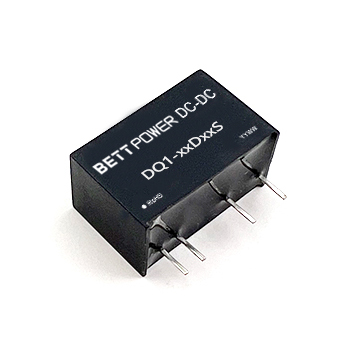

Three Key Considerations for Selecting Industrial Modular Power Supplies in the Textile and Dyeing Industry
Date:2026-11-09 Publisher:BettpowerTextile printing and dyeing workshops are typically characterised by complex operating conditions, including high temperatures and humidity, airborne dust, corrosive gases from dyes and chemicals, and strong electromagnetic interference. As the core power supply components for equipment, the selection of industrial modular power supplies directly determines the operational stability, production precision and maintenance costs of printing and dyeing equipment. Taking into account the specific characteristics of the industry’s processes, the following three key points must be prioritised during selection to ensure both compatibility and reliability.
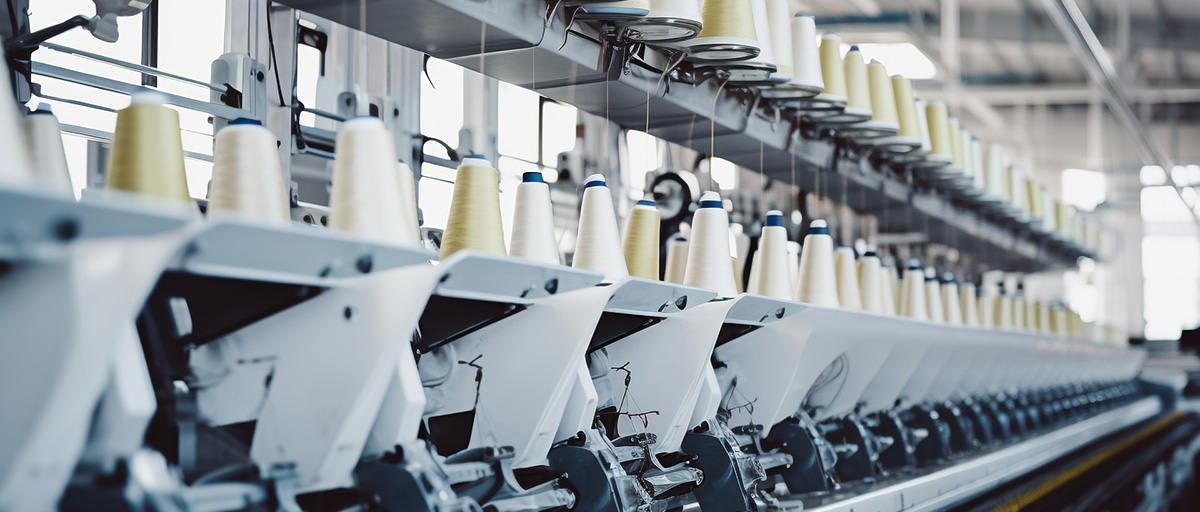
Firstly, environmental adaptability is a fundamental prerequisite.
During the dyeing and finishing stages in dyeing and printing workshops, temperatures can exceed 30°C, with humidity frequently ranging between 40% and 75%, accompanied by cotton lint dust and corrosive gases; therefore, modular power supplies that comply with industry protection standards must be selected. Priority should be given to wide-temperature-range products with a protection rating of at least IP54 and an operating temperature range of –20°C to +60°C. The casing should feature a corrosion-resistant coating or a sealed design to withstand the effects of moisture, dust and corrosive gases; at the same time, the unit must possess strong vibration resistance to cope with the mechanical vibrations generated by the continuous operation of printing and dyeing equipment, thereby preventing internal components from becoming loose or failing.
Secondly, electrical performance compatibility is a core requirement.
Dyeing and printing equipment comprises components such as variable frequency drives, motors and precision sensors; power supply stability is easily affected by grid fluctuations and transient peak currents generated by motor start-up and stop-up. Modules with a wide input voltage range (AC 85–264 V) must be selected to accommodate grid fluctuations and prevent the triggering of overvoltage or undervoltage protection; the output power must include a 20–30 per cent margin to meet the instantaneous peak demands of dynamic loads, whilst ensuring voltage accuracy of ≤±1 per cent and ripple and noise of ≤50 mVp-p, thereby preventing issues such as colour discrepancies in dyeing and abnormal yarn quality caused by voltage fluctuations.
Thirdly, reliability and compliance are essential for safety.
As dyeing and printing equipment often operates continuously for 24 hours, the module power supply must be equipped with comprehensive protection functions, covering at least overload, short-circuit, overtemperature and overvoltage protection, to prevent faults from escalating and causing damage to equipment or disrupting production; priority should be given to products with an MTBF of ≥1 million hours that utilise high-quality industrial-grade components, thereby reducing the frequency and cost of maintenance. At the same time, they must comply with the ‘GB/T 17780.7-2012’ standard for the electrical safety of textile dyeing and finishing machinery, and possess the relevant safety and EMC certifications to withstand strong electromagnetic interference in the workshop, ensuring their own stable operation without interfering with surrounding precision equipment.
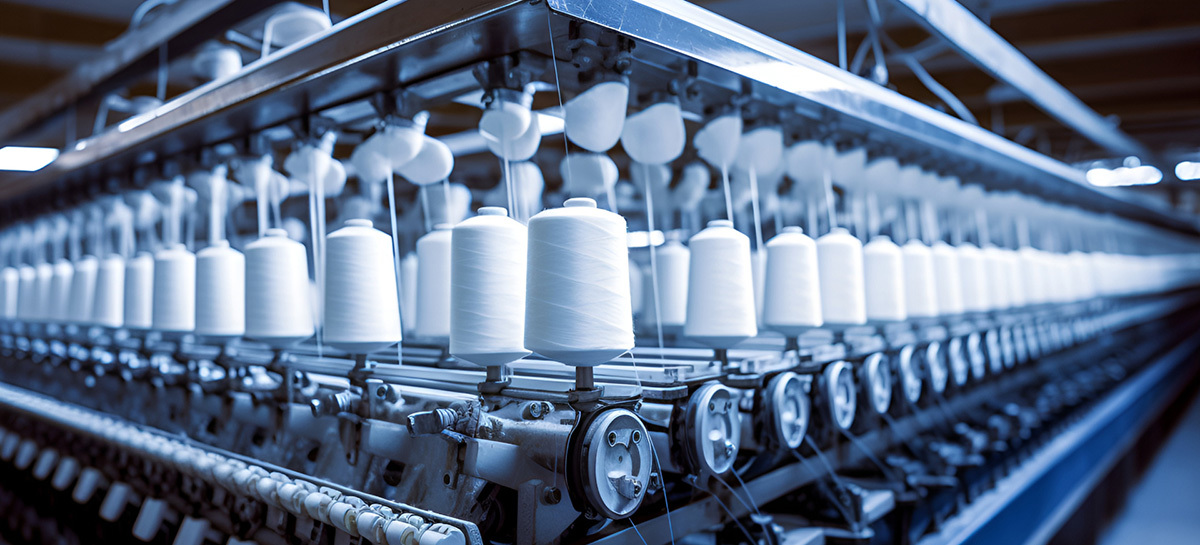
In summary, the selection of modular power supplies for the textile printing and dyeing industry must centre on three core principles: environmental adaptability, electrical compatibility and reliability and compliance. By carefully selecting products based on specific equipment operating conditions, a solid power foundation can be provided to ensure the continuity and stability of printing and dyeing production, whilst reducing losses due to faults and lowering production costs.

Tel:020-32166196
Email:info@bettpower.com
Address:Building A1, No.1 Doutang Road, Huangpu District, Guangzhou City, Guangdong Province
- Product
- AC/DC Power Module
- DC/DC Power Module
- Support
- Application
- Sample Request
 WeChat
 Sample
 Tel
 Email
 TOP