
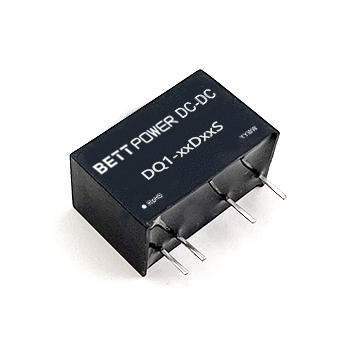
Differences and Applications of DC Power Modules and AC Power Modules
Date:2025-04-15 Publisher:BettpowerIn modern electronic devices and industrial systems, power modules serve as core components for energy conversion and distribution, with their performance directly impacting the stability and efficiency of the entire system. DC power modules and AC power modules represent two fundamental types of power supplies, exhibiting significant differences in principle, structure, and application scenarios. This article will delve into the technical characteristics, performance distinctions, and respective application domains of these two power module types, providing engineers and technicians with a reference for power supply selection.
I. Working Principle and Application Industries of DC Power Modules
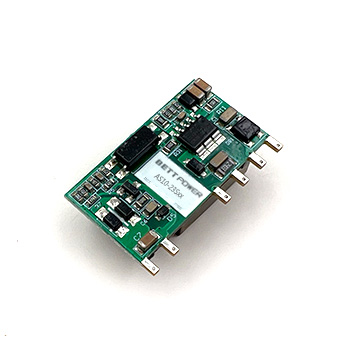
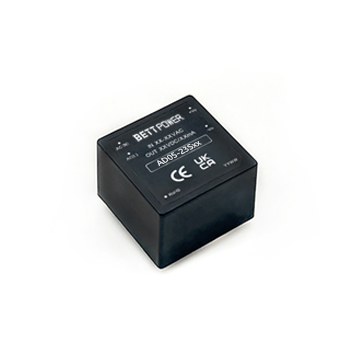
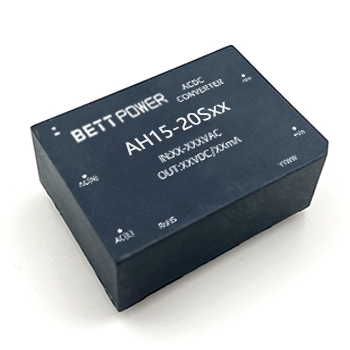
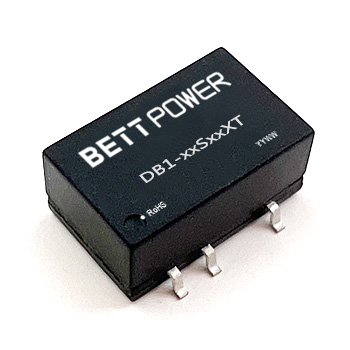
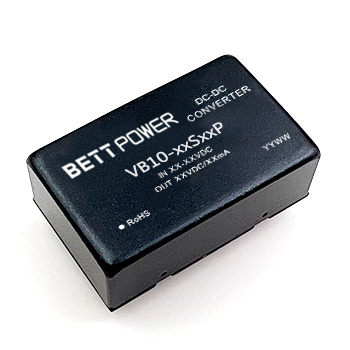
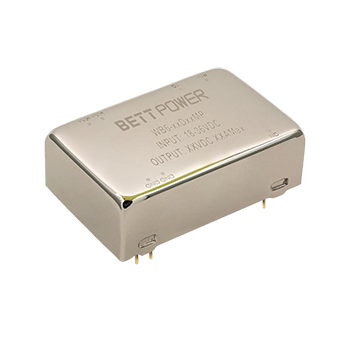
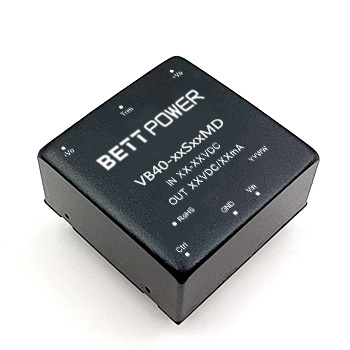
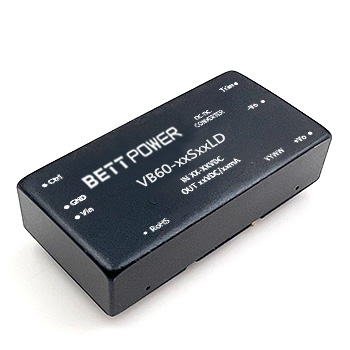
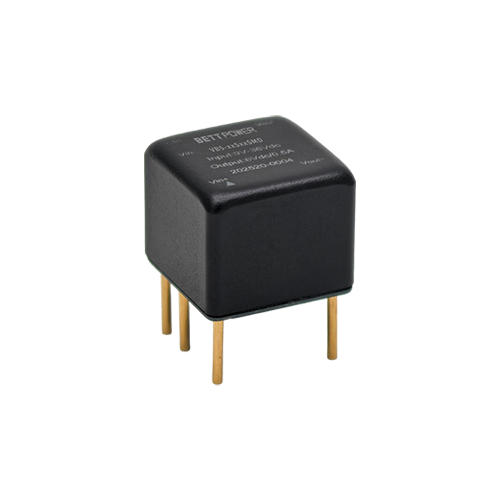
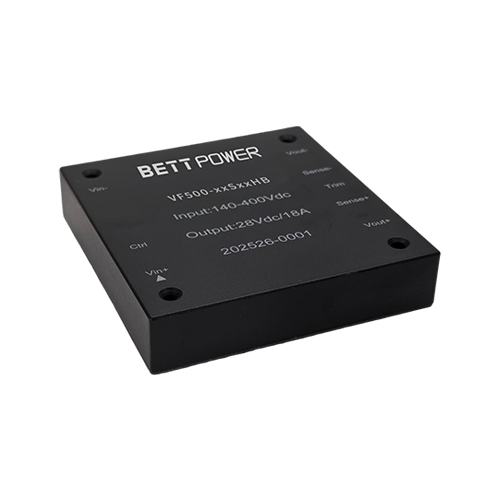
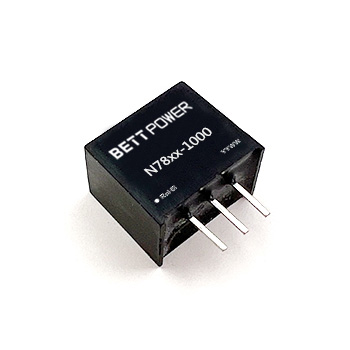
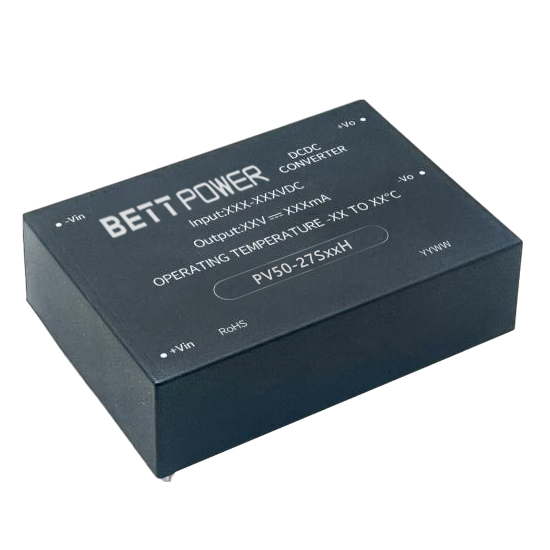
The primary function of a DC power module is to convert input AC power into stable DC output. Its internal components typically include transformers, rectifiers, filters, and voltage regulators. First, the transformer adjusts the voltage level; then, the rectifier converts AC into pulsating DC; Next, the filter removes voltage fluctuations to produce a smoother output; finally, the voltage regulator ensures output stability regardless of input voltage or load variations.
Given that many electronic devices—such as computers, mobile phone chargers, and LED lights—require stable and continuous DC power for their internal circuits, DC power modules are widely adopted in these fields. Additionally, they are commonly found in industrial automation control systems and communication base stations.
II. Working Principles and Application Industries of AC Power Modules
AC power modules primarily provide alternating current (AC) output. While they can also accept DC input and convert it to AC output (common in inverters), most AC power modules directly draw energy from the grid. They may incorporate regulation and protection mechanisms to ensure output quality and safety. For instance, they can adjust frequency and voltage levels while providing overload and short-circuit protection.
AC power modules are suitable for applications requiring direct AC usage, such as household appliances, power tools, air conditioners, and other large electrical equipment. Additionally, precisely controlled AC power supplies are essential in specialized scenarios like laboratory testing equipment and aviation power systems.
III. Key Differences
— Power Form: DC power modules deliver unidirectional current, while AC power modules provide periodically alternating current.
— Application Scenarios: DC modules are primarily used for powering electronic circuits, while AC modules are more suited for driving motors or other equipment requiring AC operation.
— Complexity: Generally, achieving the same power rating may require more complex design for DC modules compared to AC modules, particularly when high efficiency and miniaturization are demanded.
DC and AC power modules each possess irreplaceable advantages and application scenarios. With advances in power electronics technology, DC power supplies increasingly demonstrate superiority in efficiency, density, and controllability, dominating fields such as electronics and information technology as well as new energy sectors. Meanwhile, AC power supplies maintain their mainstream status in high-power drive systems and traditional industrial applications due to their long history of use and well-established supporting infrastructure.

Tel:020-32166196
Email:info@bettpower.com
Address:Building A1, No.1 Doutang Road, Huangpu District, Guangzhou City, Guangdong Province
- Product
- AC/DC Power Module
- DC/DC Power Module
- Support
- Application
- Sample Request
 WeChat
 Sample
 Tel
Tel
 Email
Email
 TOP
TOP